4 Post Lift Install Guide: 8 Critical Steps to Safely Stack Cars in Modern Parking Systems

2026-06-16
4 Post Lift Install Guide

4 POST LIFT INSTALL GUIDE: HOW TO STACK CARS SAFELY

Introduction: Why 4 Post Lift Install Matters for Stacking Cars

A 4 post lift install is not just a mechanical assembly process — it is a structural engineering procedure designed to safely stack cars vertically and maximize parking capacity in limited space.

In modern residential garages, commercial parking structures, and real estate developments, stacking cars using a 4-post system has become a cost-effective alternative to expanding floor space.

However, the safety and performance of the entire system depend heavily on how the installation is executed.

A small error in alignment, foundation, or calibration can directly affect:

  • Vehicle stability during stacking cars operation
  • Long-term structural durability
  • Safety lock performance under load

This is why professional installation standards are critical.

1. Site Evaluation & Foundation Preparation

Before starting any 4 post lift install, the first and most important step is verifying whether the installation site can support long-term structural loads.

A 4-post lift system transfers all vehicle weight directly into the ground through its columns. This makes the foundation the most critical safety factor.

🧱 Engineering Requirements

A suitable installation site must have:

  • Reinforced concrete slab (minimum 3000 PSI recommended)
  • Fully cured concrete (21–28 days minimum)
  • No visible cracks or weak expansion joints
  • Flat and stable surface conditions

If the foundation is weak, the system may shift over time, especially when stacking cars at full load.

⚠️ Engineering Risk Insight

Improper foundation can lead to:

  • Column tilt under load
  • Uneven weight distribution
  • Safety lock misalignment
  • Long-term structural fatigue

For more installation safety standard check out OSHA 

4 post lift install concrete foundation preparation for stacking cars system

2. Layout Planning for Stacking Cars Efficiency

Once the foundation is verified, precise layout marking becomes the next critical step in the 4 post lift install process.

This step determines whether vehicles can be safely stacked and retrieved without clearance issues.

🧭 Layout Engineering Process

Technicians must:

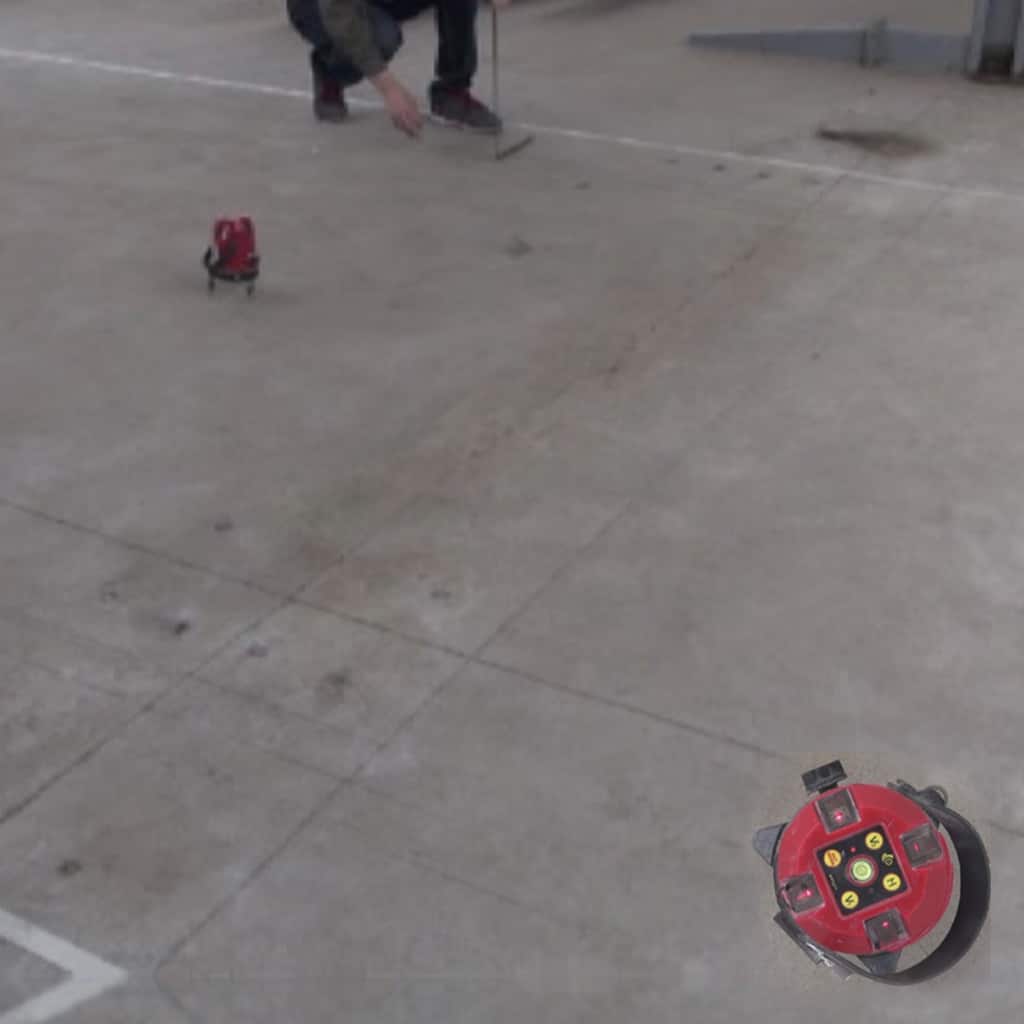
  • Mark exact footprint using chalk line or laser tools
  • Measure diagonal distances to ensure perfect square alignment
  • Define vehicle entry direction
  • Ensure door-opening clearance for stacked vehicles

Even a few millimeters of misalignment can cause issues during vertical lifting.

“4 post lift install layout marking for stacking cars garage planning

3. Column Installation: Load-Bearing Structure Setup

Columns are the backbone of any 4 post lift install system.

They are responsible for transferring the full load of stacked cars down into the foundation.

🔩 Installation Process

  • Position each column at marked points
  • Ensure vertical alignment using leveling tools
  • Anchor base plates with high-strength bolts
  • Torque bolts according to manufacturer specifications

🧠 Engineering Principle

The load path is:

Vehicle → Runway → Columns → Base Plate → Concrete Slab

Any deviation in column verticality directly affects stacking cars safety.

4 post lift install vertical column alignment for car stacking system

4. Runway Assembly: Vehicle Load Platform Construction

Runways are the surfaces where vehicles are parked and stacked.

During a 4 post lift install, runway alignment determines whether vehicles remain stable during lifting and storage.

⚙️ Key Installation Requirements

  • Runways must be perfectly parallel
  • Height must be identical on all corners
  • No forced fitting between structural beams
  • Bolted connections must be fully tightened

If runways are misaligned, stacking cars becomes unsafe due to uneven load distribution.

4 post lift install runway assembly system for stacking cars platform

5. Hydraulic & Cable Synchronization System

This system ensures that all four columns lift evenly when stacking cars vertically.

💡 How It Works

Hydraulic pressure provides lifting force, while cables ensure synchronization across all columns.

🔧 Installation Focus

  • Proper cable routing without twists
  • Balanced tension across all corners
  • Hydraulic system fully bled of air
  • Leak-free hydraulic connections

⚠️ Engineering Risk

If synchronization fails:

  • One side may lift faster
  • Load imbalance occurs
  • Stacking cars becomes unstable
4 post lift install hydraulic synchronization system for stacking cars operation

6. Safety Lock System Calibration

Safety locks are the most critical safety component in any 4 post lift install.

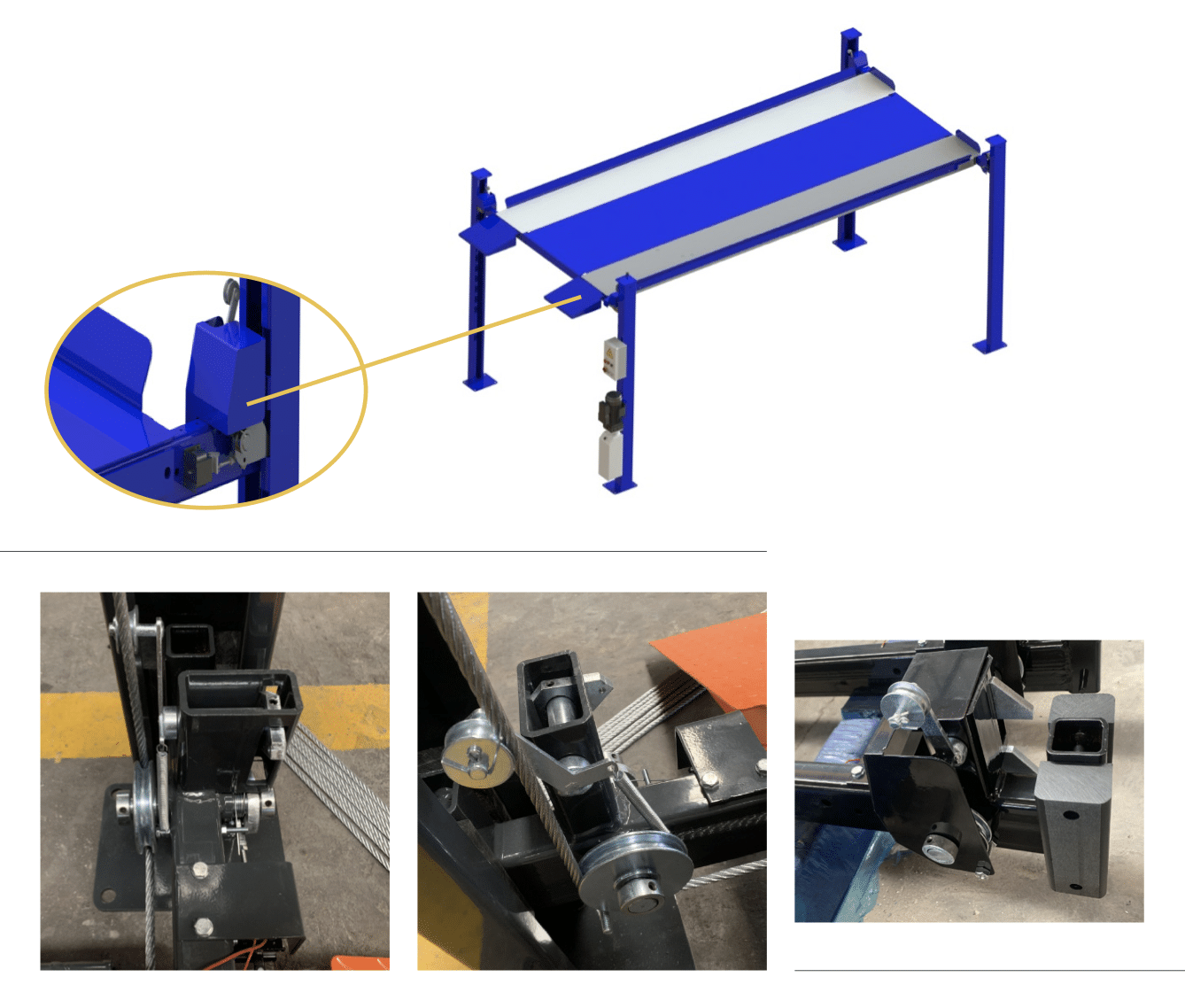
They act as a mechanical backup system that holds the load even if hydraulic pressure is lost.

🧰 Functions of Safety System

  • Mechanical load locking
  • Multi-level height holding
  • Emergency load retention

🧠 Engineering Insight

Hydraulics lift the load, but mechanical locks hold the load permanently during parking mode.

4 post lift install mechanical safety lock system for stacking cars safety

7. Load Testing & Stacking Cars Verification

Before operational use, full system testing must be performed.

🧪 Testing Process

  • No-load cycling tests
  • Partial load testing
  • Full vehicle load test
  • Multi-level stacking verification

Technicians verify:

  • Smooth lifting motion
  • Stable platform behavior
  • Lock engagement accuracy

8. Final Engineering Validation Checklist

A completed 4 post lift install must pass:

  • Structural alignment verification
  • Load distribution balance test
  • Hydraulic synchronization check
  • Safety lock engagement test
  • Full stacking cars operation validation

Only after all checks are passed can the system be put into regular use.

For Heavy Duty Car Lift Installation Guide: 4 Post Parking Lift for Home Cost Breakdown for Sedans, SUVs, and EVs

And for full version of 4 post lift install, please check From Beginner to Expert: How to Install Four-Post 360: Steps+Tips (2025 Version)

FAQ (Schema Ready)

Q1: What is a 4 post lift install used for?

A 4 post lift install is used to create a vertical parking system that allows vehicles to be safely stacked in limited garage or commercial space.

Q2: Can a 4 post lift safely stack cars long-term?

Yes. When properly installed with correct foundation and safety lock systems, it is designed for long-term stacking cars storage and repeated operation.

Q3: How strong does the concrete need to be for installation?

A minimum of 3000 PSI reinforced concrete slab is recommended for safe 4 post lift install performance.

Q4: What is the biggest installation risk?

The most critical risks are poor leveling, incorrect column alignment, and improper hydraulic synchronization, which can affect stacking cars safety.

Q5: Is professional installation required?

Yes. A 4 post lift install involves structural and hydraulic systems, so trained technicians are strongly recommended.
qrcode