
Four Posts Car Lifts Explained: 7 Smart Reasons These Vehicle Transportation Platforms Are Redefining Modern Parking Design
2026-01-26
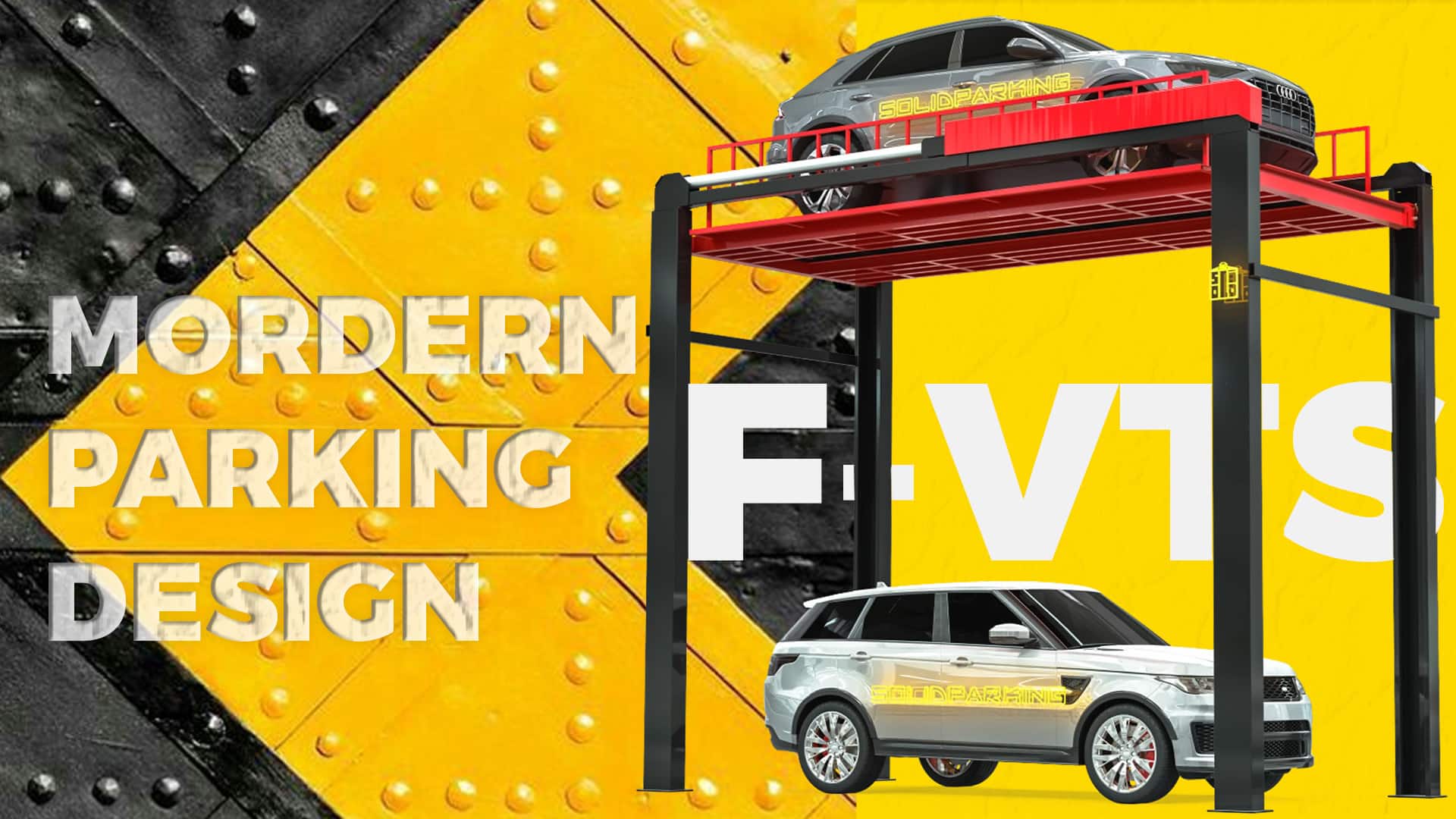
four posts car lifts vehicle transportation platform

Why Four Posts Car Lifts Are Back in the Spotlight

Four posts car lifts are not a new invention — but they are increasingly reconsidered as vehicle transportation platforms for modern low-rise and mid-rise projects.

Why now? Land is limited, ramps take up precious space, and full vehicle elevators often feel oversized or costly. Four posts car lifts offer a middle path: safe vertical vehicle movement without the regulatory or budget weight of an elevator.

Architects and developers often ask themselves early in planning:

“Do we really need a vehicle elevator — or do we just need to move cars safely up and down?”

The answer increasingly points to four posts car lifts.

What Makes a “Vehicle Transportation Platform” Special

Unlike vehicle elevators, these special platforms are classified as machinery, not elevators. That changes the game.

They follow machinery safety standards such as EN 14010 and the EU Machinery Directive.

This classification brings several advantages:

  • Less shaft construction – no full elevator shaft needed

  • Open-platform designs – vehicles remain visible

  • Faster approval timelines – less regulatory burden

  • Lower project cost – simpler engineering

The result: a system that is slower, simpler, and more transparent — often exactly what a low-rise project needs.

How Four Posts Car Lifts Work?

At their core, four posts car lifts are easy to understand and operate, which is why non-technical users trust them.

Key Components

ComponentPurpose
Four steel postsStructural stability and load distribution
Vehicle platformSupports the car
Hydraulic power unitProvides lifting force
Chain synchronization systemEnsures balanced movement
Mechanical safety locksPrevents accidental descent
Control panelPush-button operation

Operating Sequence

  1. Drive onto the platform

  2. Exit the vehicle

  3. Press the control button

  4. Platform moves vertically

  5. Safety locks engage automatically

  6. Vehicle exits at target level

Conceptual Diagram

Upper Level
──────────────
│ Vehicle │
│ Platform │◄── Safety Locks
│ │
│ ↑ ↓ │ Hydraulic + Chains
│ │
│ │
│ Platform │
│ Vehicle │
──────────────
Lower Level

This simplicity is one reason why architects and non-technical staff feel confident specifying them.

Vehicle Types, Capacity, Height, and Foundation Requirements

Understanding technical parameters ensures four posts car lifts fit your project perfectly.

Vehicle Types and Fit

Vehicle TypeTypical Length (m)Typical Width (m)Max Height (m)
Standard sedan4.2–5.01.8–2.01.5–1.6
SUV / Crossover4.5–5.21.9–2.11.7–1.9
Luxury / Performance Vehicles4.5–5.51.9–2.01.4–1.5
Small vans / Light commercial4.8–5.82.0–2.21.9–2.1

Load Capacity

Lift Model / CategoryLoad Capacity (kg)Notes
Light-duty residential2,500–3,500Ideal for sedans and small SUVs
Medium-duty multi-use3,500–4,500Supports larger SUVs or small commercial vehicles
Heavy-duty industrial4,500–6,000Accommodates vans, light trucks

Lift Height Parameters

Lift TypeTypical Lift Height (m)Notes
Residential / villa lift2.5–3.5Usually single-story transfer
Multi-level low-rise3.5–6Supports 2–3 floors
Industrial / showroom lifts6–12Multiple-level storage or display systems

Pit Depth and Foundation Requirements

Lift CategoryTypical Pit Depth (cm)Foundation Notes
Residential / light-duty10–15Simple reinforced concrete slab (C25/30)
Multi-level / medium-duty15–30Requires anchor bolts and deeper footing for post stability
Heavy-duty / industrial30–50Full reinforced concrete pad with vibration isolation possible

Engineering Note: Each post can exert point loads from 20–50 kN. Always verify soil bearing and local codes.

Where Vehicle Transportation Platforms Actually Make Sense

Four posts car lifts shine in projects where vertical vehicle movement is needed but full elevators are overkill.

Residential Projects

Villas, townhouses, and low-rise condos benefit from avoiding ramp driving. Perfect for elderly users and luxury cars.

Automotive Showrooms

Open platforms let cars move between display levels while staying visible — great for customer experience.

Light Industrial / R&D Facilities

Predictable traffic and controlled environments make these lifts durable, simple, and cost-effective.

Four Posts Car Lifts vs Ramps vs Vehicle Transportation Platform

FeatureFour Posts Car Lifts (Special Platform)

Vehicle Transportation Platform

Ramp
Vertical transportYesYesNo
Space efficiencyHighMediumLow
Initial costMediumHighLow–Medium
Regulatory burdenLowHighLow
User comfortHighHighLow

Market Pricing and Supplier Landscape

When evaluating suppliers, it’s about clarity, reliability, and fit.

Company Typical Product Type Ease of Understanding Cost Level Best For
SolidParking Four posts car lifts as special platforms ⭐⭐⭐⭐ Medium Villas, low-rise buildings, cost-sensitive projects
WÖHR Parking Systems Automated & semi-automated parking ⭐⭐⭐☆☆ High Premium, high-density developments
Klaus Multiparking Modular mechanical parking ⭐⭐⭐☆☆ High Complex architectural integration
IHI Transport Machinery Industrial vehicle platforms ⭐⭐☆☆☆ High Industrial & custom-engineered facilities

SolidParking emphasizes clarity and practicality, making four posts car lifts easy to explain, approve, and operate.

A Final Question Before You Decide

Four posts car lifts will never replace high-rise elevators, but if your project values:

  • Space efficiency

  • Moderate budgets

  • Mechanical clarity

  • User-friendly operation

…then these vehicle transportation platforms deserve serious consideration.

Sometimes the smartest choice isn’t the most powerful system — it’s the one that fits the problem perfectly.

qrcode